

-
 Modern Cow Boy Hat
1 × $100.00
Modern Cow Boy Hat
1 × $100.00
-
 Cat Eye Sunglasses
1 × $10.00
Cat Eye Sunglasses
1 × $10.00
Subtotal: $110.00
 Modern Cow Boy Hat
1 × $100.00
Cat Eye Sunglasses
1 × $10.00
Modern Cow Boy Hat
1 × $100.00
Cat Eye Sunglasses
1 × $10.00
Kumana National Park, located on the southeastern coast of Sri Lanka, is one of the island’s most pristine and peaceful wildlife sanctuaries. Famous for its remarkable birdlife 🦢 and untouched wetlands, Kumana offers an authentic wilderness experience away from the busy tourist routes. Covering over 35,000 hectares of lagoons, marshes, mangroves, and dry forests, the park is a magical haven for nature lovers, photographers, and birdwatchers.
Kumana is best known for the Kumana Bird Sanctuary, home to over 250 species of birds. During migration seasons, thousands of birds including pelicans, painted storks, spoonbills, herons, and black-necked storks gather in the park’s wetlands, creating breathtaking wildlife scenes.
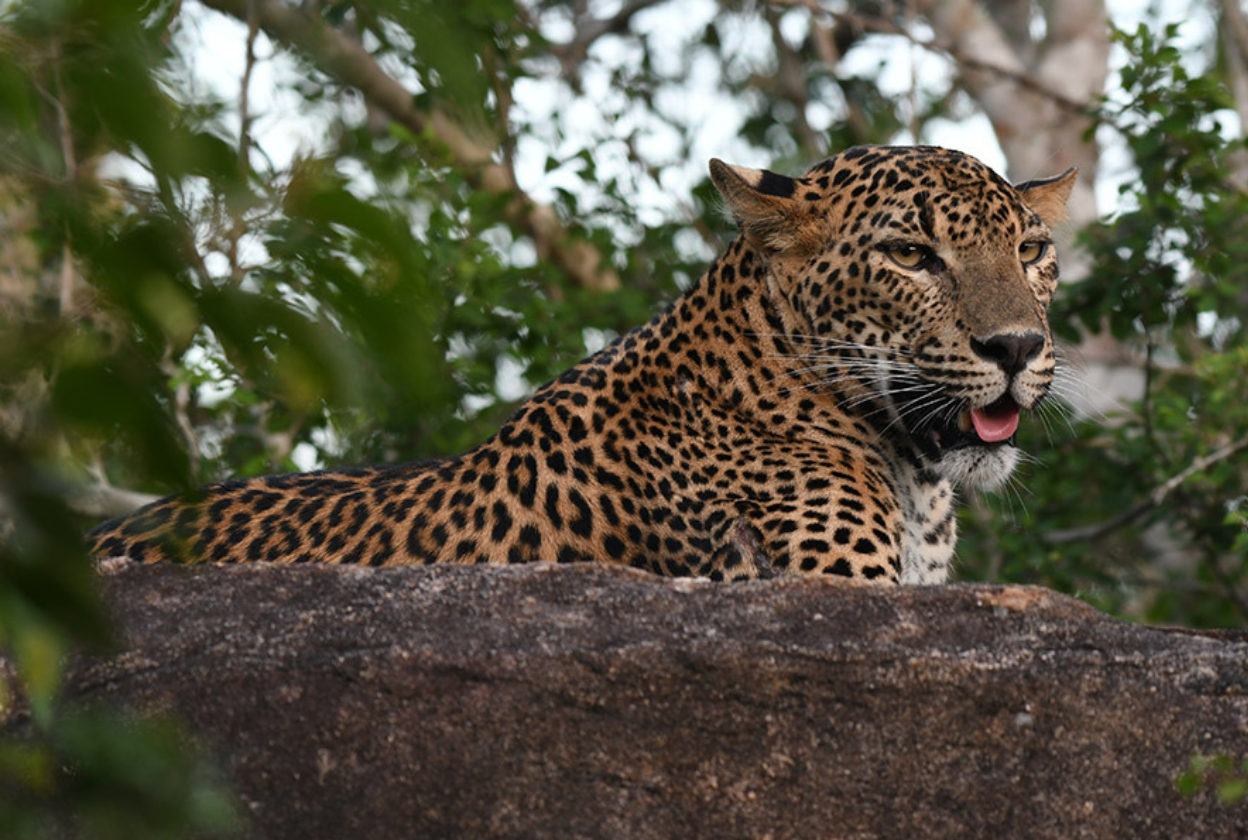
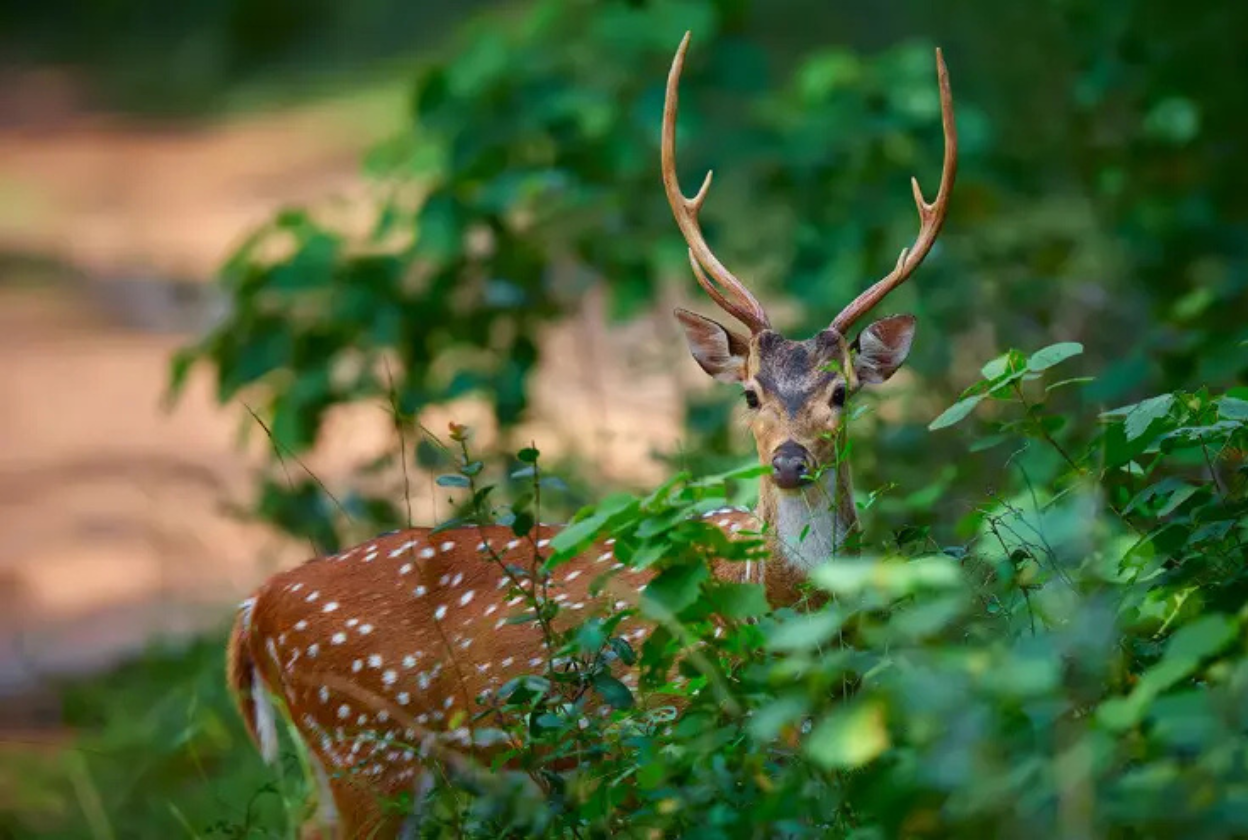
Though less common than Yala, Kumana is still home to leopards, elephants, golden jackals, crocodiles, wild boar, and deer. Its quiet environment gives visitors a better chance to witness animals in a relaxed and natural state.
The park’s diverse habitats—rivers, lagoons, marshes, and dry zone forests—support an incredible range of wildlife including turtles, reptiles, and rare bird species like the Sri Lankan junglefowl and the rare Eurasian spoonbill.
Kumana is known for its serene, uncrowded safaris. Vast wetlands, lush forests, and tranquil lagoons create a peaceful atmosphere perfect for nature enthusiasts and landscape photographers.
Guided jeep safaris allow visitors to explore the park’s natural beauty, spot rare birds, and learn about animal behaviour from experienced trackers. Early morning tours offer the best wildlife activity and golden sunrise views.
Kumana plays an important role in protecting Sri Lanka’s birdlife and coastal ecosystems. The park also features historical sites and ancient caves, reflecting a blend of wildlife and cultural heritage.